
In Memoriam

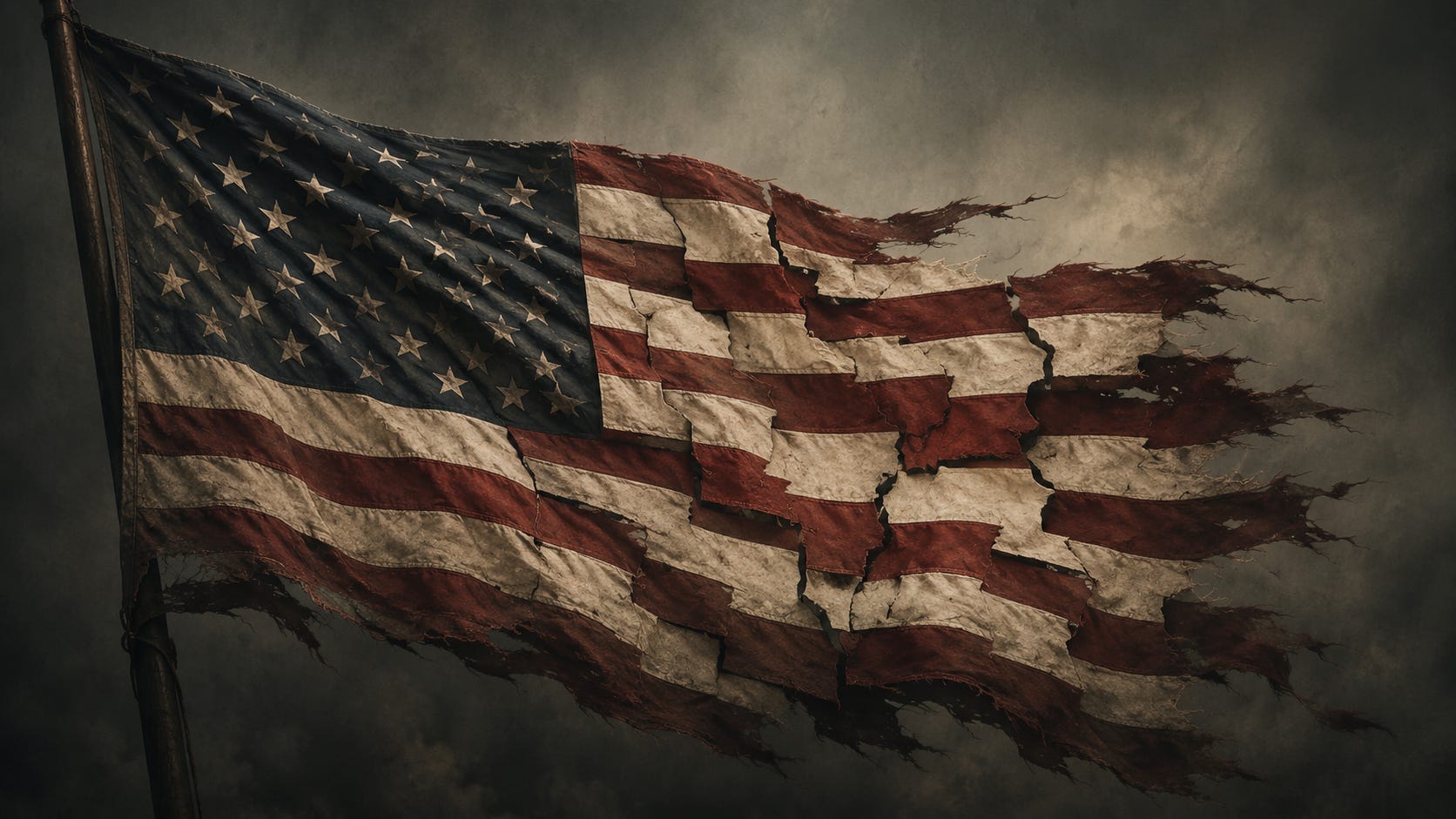
Last Memorial Day, I was still sitting in remembrance.
I wrote about the names history often leaves out. The Tuskegee Airmen. The Navajo and Choctaw Code Talkers. The Japanese American soldiers who served while their families were caged. The Six Triple Eight. The USS Mason. The Triple Nickles. Black women in war industries. Filipino nurses who cared for American soldiers while America failed to fully honor them.
I was thinking about memory then.
I still am.
But this year is different.
This year, remembrance does not feel quiet. It feels urgent.
Because the world is changing faster than many people can comprehend and the old stories are being rewritten in real time. Power is moving. Nations are shifting. Corporations are acting like governments. Governments are acting like corporations. Truth is being packaged, distorted, monetized, and fed back to us before we even have time to breathe.
So when I think about Memorial Day now, I am not only thinking about the fallen.
I am thinking about who gets remembered.
Who gets erased.
Who gets called a hero.
Who gets used, discarded, and later rediscovered when the country needs a cleaner version of itself.
So many people served a nation that did not fully serve them.
Black soldiers fought for freedom while Jim Crow waited for them at home.
And Jim Crow is still waiting.
Not always wearing the same signs.
Not always speaking in the same language.
Not always announcing itself as segregation.
Today, Jim Crow returns as a district line.
A school boundary.
A prison map.
A zoning decision.
A polling place moved too far from the people who need it.
A neighborhood starved of investment, then blamed for what it was denied.
That is what power does when it wants control without confession.
It draws lines.
Africa knows this.
At the Berlin Conference of 1884 and 1885, European powers sat in rooms and discussed the future of a continent that did not belong to them. They drew borders around resources, rivers, trade routes, minerals, and imperial ambition. They carved through nations, languages, families, histories, and ways of being.
No Africans had the authority in that room to say, “This is not yours to divide.”
That same logic traveled across the water.
In the Americas, the line became the plantation.
The reservation.
The redlined neighborhood.
The segregated school.
The prison district.
The voting map.
Different geography.
Same appetite.
Control the land.
Control the labor.
Control the story.
Control the future.
Control the fortune.
So when we remember Black soldiers who fought for freedom abroad while Jim Crow waited for them at home, we are not only remembering hypocrisy.
We are remembering design.
And if it was designed, it can be dismantled.
Indigenous code talkers used languages this country tried to destroy in order to help this country survive.
Japanese American soldiers translated intelligence and helped shorten a war while their own families lived behind barbed wire.
Black women cleared millions of letters for soldiers overseas, delivering morale and memory, while receiving little honor in return.
Filipino nurses cared for American soldiers and were later denied the full promises made to them.
That is not just forgotten history.
That is a pattern.
America has always known how to use the brilliance, labor, language, courage, and sacrifice of people it refuses to fully respect.
And still, those people showed up.
That is the part that deserves reverence.
Not the picture perfect kind.
Not the government speech kind.
Not the safe kind that folds everything into one flag and asks us not to look too closely.
Real reverence.
The kind that tells the truth.
The kind that says sacrifice without justice is not noble. It is exploitation.
The kind that understands remembrance is not simply about looking backward. It is about asking what we are willing to see now.
Because today, we are in another kind of war.
A war over truth.
A war over memory.
A war over who gets to define freedom.
A war over whose suffering counts.
A war over whether democracy will serve people or power.
And if we are not careful, the same machine that erased them will erase us too.
So today, I remember the fallen.
But I also remember the hidden.
The misnamed.
The underpaid.
The segregated.
The caged.
The promised and betrayed.
The ones who carried this country through fire while this country pretended it was not even burning.
This is not just Memorial Day.
It is a day to ask what kind of nation keeps needing the sacrifice of people it refuses to repair.
The archive still remembers.
And so do we.
Thank you for broadening the brush on the fallen and who gets remembered and honored on what is now Memorial Day.